
Battery storage has quietly emerged as a cornerstone technology for the global transition towards a more sustainable energy future. Far beyond powering our personal devices, large-scale battery systems are fundamentally reshaping how we generate, distribute, and consume electricity. Understanding their function is key to appreciating the complexities and innovations within green finance and sustainable infrastructure development.
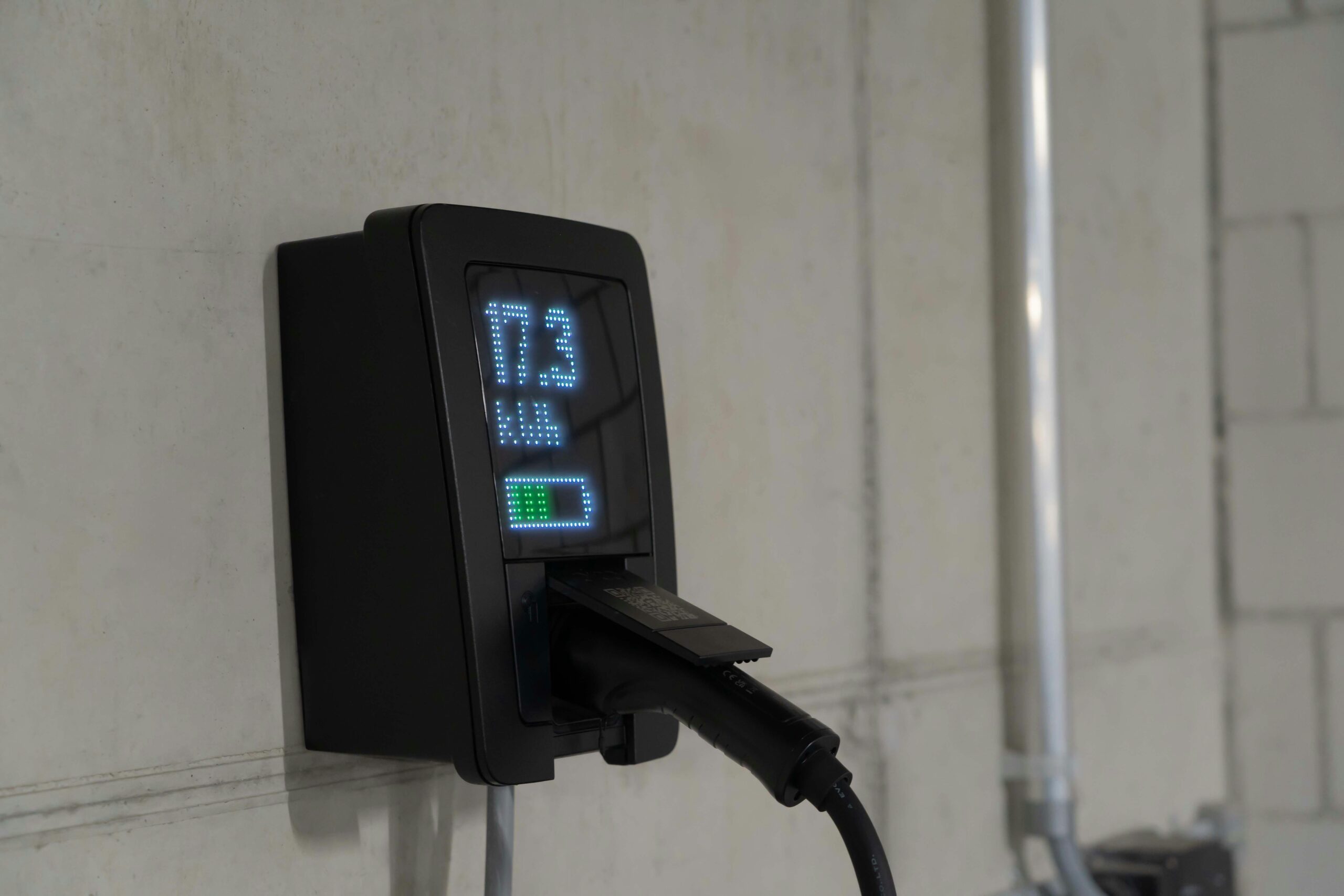
At its core, battery storage involves capturing energy produced at one time for use at a later time. This capability is vital for integrating intermittent renewable energy sources like solar and wind power into the existing grid. Without effective storage, the variability of these sources would present significant challenges to maintaining a stable and reliable electricity supply.
The increasing adoption of battery storage solutions reflects a growing recognition of their economic and environmental benefits. These systems contribute to grid resilience, reduce reliance on fossil fuel-based backup generators, and enhance the overall efficiency of energy networks. They represent a tangible investment in infrastructure designed to support long-term environmental goals and energy independence.
The Role of Battery Storage in Modern Grids
Modern electricity grids are designed to balance supply and demand in real-time, a task complicated by the fluctuating output of renewable energy. Solar panels produce electricity only when the sun shines, and wind turbines generate power only when th